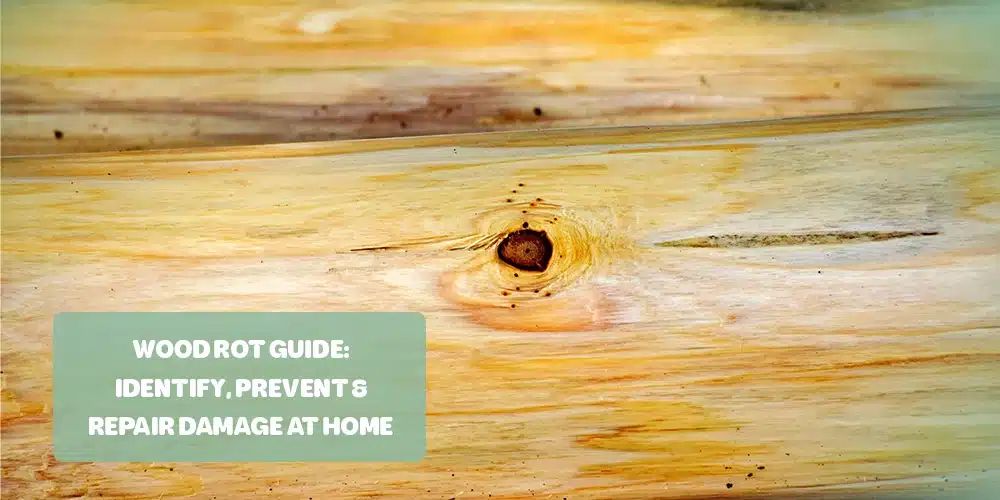
Wood rot is easy to miss until paint starts peeling, trim feels soft, or a deck, fascia board, window surround, or door frame begins to fail. In Kansas City weather, moisture, humidity, storms, old caulk, and freeze-thaw cycles can all speed up exterior wood damage.
This guide explains how to identify wood rot, what causes it, how to prevent it, and when to request a repair estimate before painting or finishing over damaged wood.
Quick Signs of Wood Rot
- Soft, spongy, or crumbly wood
- Paint that keeps peeling in the same area
- Dark staining around trim, fascia, windows, or doors
- Cracked caulk joints or exposed end grain
- Deck boards, rails, or stairs that feel weak
- Gaps where water can sit or run behind the wood
Where Wood Rot Commonly Shows Up
| Area | What to Look For | Why It Matters |
|---|---|---|
| Window and door trim | Soft corners, failed caulk, peeling paint | Water can work behind trim and spread damage |
| Fascia and soffits | Dark stains, sagging, gutter-related moisture | Roofline wood is exposed to runoff and storms |
| Decks and railings | Soft boards, loose rails, stair movement | These can become safety issues |
| Siding and trim details | Splitting, swelling, paint failure | Damaged exterior wood should be repaired before painting |
What Causes Wood Rot?
Wood rot needs moisture. The moisture may come from failed caulk, clogged gutters, poor drainage, exposed end grain, peeling paint, deck boards that hold water, or old repairs that did not solve the source of the problem.
That is why the repair should not stop at cutting out bad wood. A good repair also looks at why the wood failed and how to reduce the chance of the problem coming back.
Repair Before Painting
Paint should not be used to hide rotten wood. If damaged trim, fascia, siding, or deck boards are painted over, the finish may fail early and the damage can keep spreading. If you are planning an exterior project, review visible wood damage before primer and paint.
For repair planning, compare the wood rot repair service page, the Kansas City wood rot repair page, and the Overland Park wood rot repair page. You can also use the wood rot repair cost guide to understand budget factors.
How to Prevent Wood Rot
- Keep gutters clear and draining away from fascia and trim.
- Repair failed caulk before water gets behind the joint.
- Keep exterior paint maintained so wood stays sealed.
- Watch deck boards, stairs, railings, and posts after wet seasons.
- Trim landscaping away from siding and exterior wood details.
- Address small soft spots before they become larger repairs.
FAQ: Wood Rot Identification and Repair
Can wood rot dry out and stop?
Drying the area helps, but rotten wood does not restore itself. Damaged material may need repair or replacement, and the moisture source should be addressed.
Can I caulk over wood rot?
No. Caulk can seal gaps, but it does not repair rotten wood. Soft or crumbling material should be repaired first.
Should wood rot be fixed before exterior painting?
Yes. Exterior painting should be applied over sound, prepared surfaces. Rotten wood can cause early paint failure and deeper moisture problems.
Can deck rot be repaired?
Sometimes. Localized board damage may be repairable, while structural rot in posts, joists, stairs, or railings needs a closer safety review.
Need Wood Rot Reviewed?
Aaron's Painting and Remodeling can inspect visible wood damage, explain repair options, and coordinate repair with exterior painting when needed. Start with wood rot repair or request a free wood rot repair estimate.
Ready to Talk Through Your Project?
Aaron's Painting and Remodeling helps Kansas City area homeowners with painting, remodeling, wood repair, and finish work.